Table of Contents
Introduction
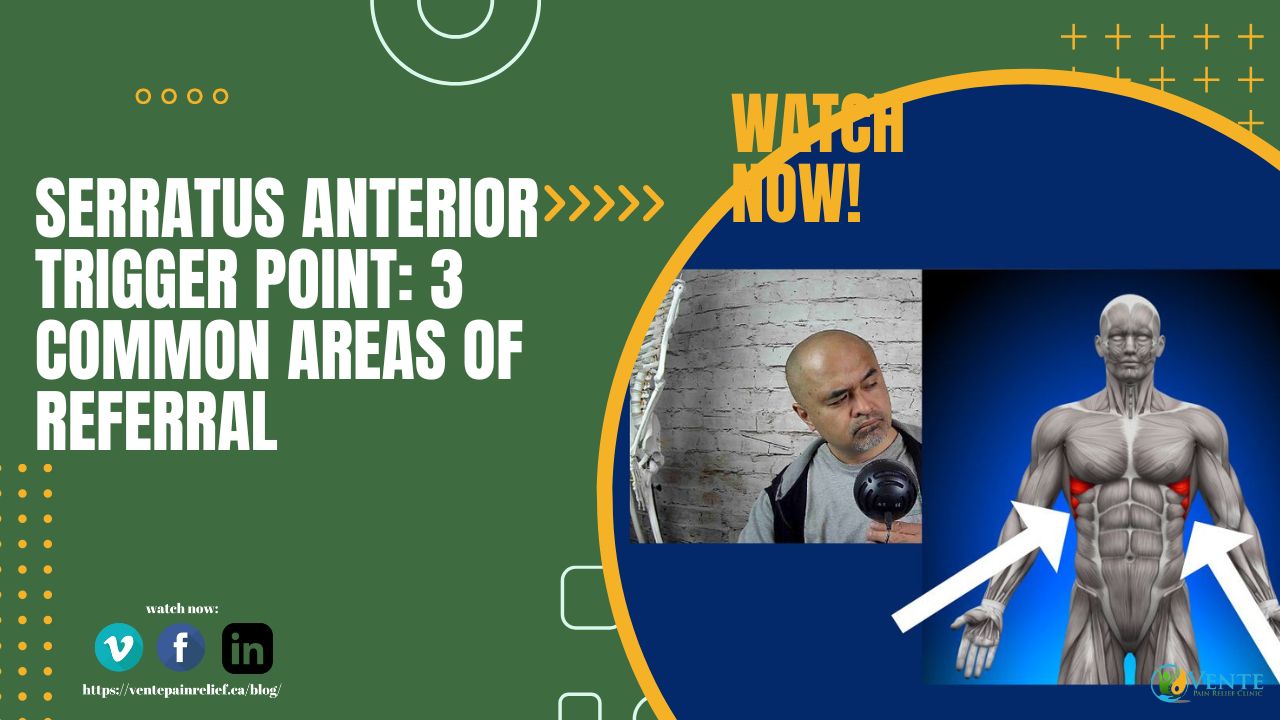
Annoying pain between the shoulder blades can stem from this muscle. I call this muscle a “Ninja muscle”. I call it this because it can mimic symptoms of other muscles. It’s almost like it is hiding, hard to find and can be difficult to isolate. Isolate as the source of pain and discomfort. Find out more about this muscle Watch the video now!
Typical Muscle that Refers Between the Shoulder Blades
Pain between the shoulder blades typically can be caused by tightness and trigger points. Most often it is a local muscle group. The Rhomboid group, sits between the shoulder blades and they function to draw the shoulder blades backwards towards the spine.
These muscles can become overworked and weakened causing symptoms. This typically happens when one is in a posture where the shoulders are “rounded forward”. For example a typical scenario are office workers who sit in front of their computers for hours. Usually in this shoulder rounded posture. The muscles at the front such as your Pectorals and Deltoids can become short and tight. The muscles between the shoulder blades, the Rhomboids become overworked because of the amount of tightness at the front.
Those that have had pain between the shoulder blades understand the annoying pain it can cause. Many have tried digging something into the area between the shoulder blades where the pain seems to be coming from. Most times, you can get relief. There are other times where pain between the shoulder blades can continue, regardless of how much you poke and prod. At times you try stretches but little changes.
Is there another scenario?
Pain between the shoulder blades can mostly be caused by the Rhomboids but there is another scenario. Below is an image of Serratus Anterior. It’s that muscle that look like finger like projections at the side of the rib cage. This muscle functions to “slide” your shoulder blade, laterally, away from the spine.
Just like the Pectorals and the Deltoids, this muscle can also become short and tight when the shoulders are rounded.
This can happen in that office scenario mentioned earlier. It happens frequently in those that sleep on their side. This position can round the shoulders forward, just like rounding your shoulders at your desk.
When tight, this muscle can cause pain between the shoulder blades. The differentiating factor between Serratus and Rhomboids is the referral pattern. The Rhomboids referral is mostly local, whereas Serratus refers also between the shoulder blades. And it can also radiate to the side of the rib cage and down the arm.
Treatment
There are specific treatment goals for pain between the shoulder blades caused by Serratus Anterior.
- Release the Serratus Anterior.
- Mobilize the shoulder blade. Typically what happens is that the shoulder blade of the side that is affected is locked. The muscles that attach to the shoulder blade become very tight. As a result, the motion of the shoulder blade becomes restricted. This can add on to the pain and symptoms. Mobilizing the shoulder blade is a priority.
- Treat compensating structures. This can include the neck, arms and other portions of the rib cage.
- Prescribe exercises such as stretches for the Serratus Anterior and Pectorals and Strengthening for the Rhomboids.
Is the treatment uncomfortable? 10000%! This muscle can be very sensitive, when tight. The trigger points can be hypersensitive and it can take awhile before the muscle relaxes. From a long term perspective, this can help with pain between the shoulder blade.
If You suspect that your pain is being caused by Serratus Anterior, contact us. We can discuss your treatment and your case.

More Resources:
Do you have symptoms that refer down the arm. It can be from a condition called, Thoracic Outlet Syndrome (TOS). Learn more here. Here are 3 stretches for local tightness of the neck.
More on trigger points:
- 5 Strange Symptoms of Extremely Tight Fascia
 The video explores five unusual and strange symptoms of extremely tight fascia, the connective tissue beneath the skin. While localized pain is common, tight fascia can also cause discomfort in distant body areas, such as the hips and lower back. Understanding these symptoms is crucial for effective pain relief and mobility.
 - Shoes for Pain Relief? A Massage Therapist’s Concise 8 Point ReviewAre there shoes for pain relief?This content explores the role of footwear in pain relief from the perspective of a seasoned therapist with 25 years of experience. It delves into how proper shoes can help manage common discomforts like lower back, hip, shoulder, and knee pain. The review includes an examination of the Birkenstock Bend sneaker, highlighting its potential impact on those suffering from pain. Viewers are encouraged to watch the video for more insights.
- Plantar Fasciitis Treatment; Important Information on How I use Deep Tissue MassagePlantar Fasciitis treatment, using deep tissue massage can ease the pain and discomfort. Chronic Plantar Fasciitis can cause significant pain and discomfort, often requiring a more aggressive treatment approach. Deep tissue massage is highlighted as an effective therapy in managing this condition. The accompanying video provides insightful details on how deep tissue massage can alleviate symptoms of chronic Plantar Fasciitis.


