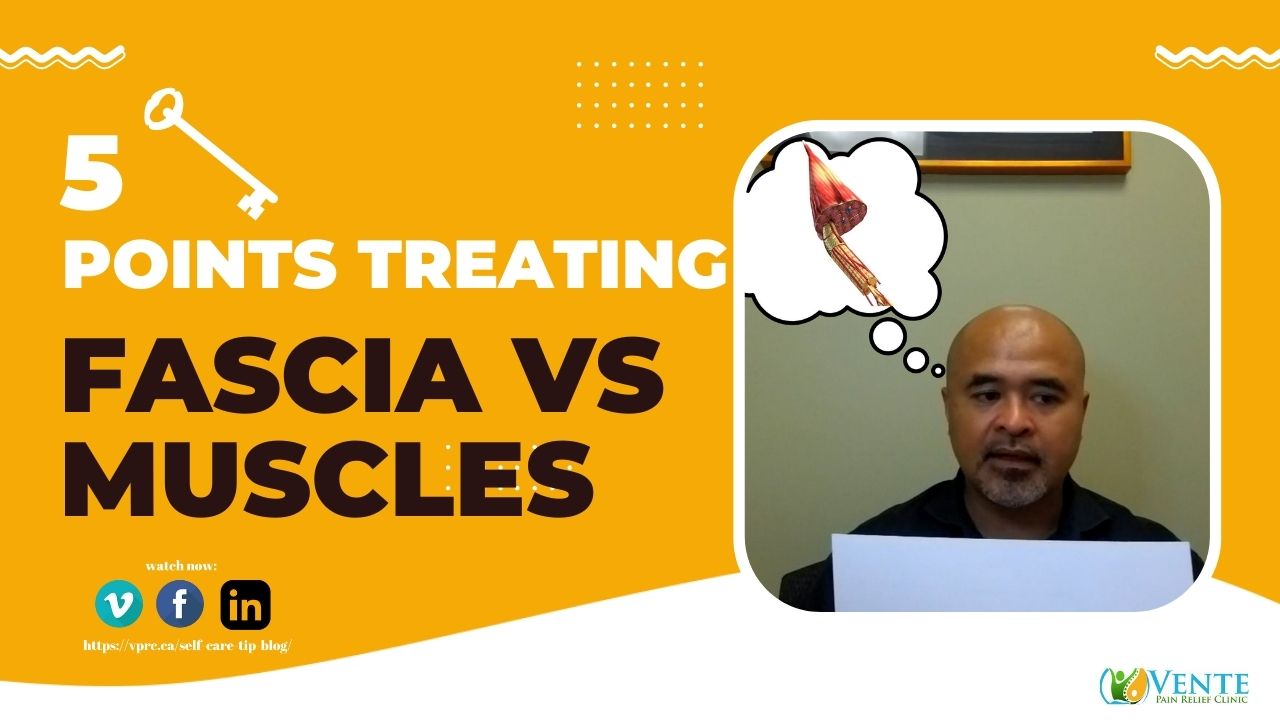
Fascia Versus the Muscles
Treating fascia and the muscles, can there be a separation? Usually there is minimal separation between treating the fascia vs treating the muscles. “Myofascial” is a term that describes the interplay of the muscles and fascia.
The fascia is the connective tissue that lies underneath the skin. When it becomes tight, it can cause pain and discomfort. This can be locally and further away from the area of tightness.
Typically, treatments blend the two structures together. For myself understanding the separation and how different yet intertwined they are can make or break treatments. Find out in this video.
From my clinical experience patients have a ratio of tightness. What I mean by this is that at times one has more tightness of the fascia versus the muscles. Conversely, there are times when there is more tightness in the muscles compared to the connective tissue.
A patient may complain of calf pain. When I feel the area by squeezing the calf, what I notice is that the calf feels soft. The next phase is that I will pull on the tissues and notice that it is very tight and stuck.
In my assessment, I conclude that the issue is mostly fascia in origin, versus the actual muscles. How do I know? When I squeeze or pressing into an area, generally I am assessing the tone of the muscles. When I pull at the tissues, I am generally assessing the fascia.
In this scenario, there was more tightness of the fascia and therefor my treatment will focus more on the fascia.
Treating fascia can be very painful.
Impact on Treatment
I believe one of the strong factors that people have long-standing chronic pain is because their treatments have been generally focused on the local muscles.
There is short term relief but the issue persists. Historically, from experience this is because the focus of the treatment was more on the muscles. When in fact treating fascia should have been more of the focus.
Treating fascia can last for 45 minutes and at times more.
Sometimes we get patients that have both tissues tight, almost equally. The muscles feel like rocks. In this instance I will use aggressive techniques to the connective tissue. What often happens is that the muscles relax as the fascia relaxes. In this case, if I just kept focusing on the muscles, they will rarely relax. This is especially true if the issue is chronic and the muscles are rock solid.
I have a saying that illustrates this clinical observation. “As the fascia relaxes, the muscles will follow.”
I believe this clinical mindset can lead to the success of treatments. What does this exactly mean? What this means is that the muscles that have been chronically tight, become significantly softer. Patients can find that their pain and discomfort that they have suffered for a prolonged period is also drastically better. Patients can also find that their symptoms diminish significantly. Over time, they experience a longer-term state where symptoms are lessened.
I am a big believer in separating the two tissues when it comes to treatments based on observation.
If the fascia is the majority of the issue, the treatments can be extremely painful and uncomfortable. Treating the fascia can last to 45 minutes and longer. The pain and discomfort can be because of how tight the tissues are. It can also be because of how long the person has had their condition.
Treating fascia can significantly improve those that have been looking for a treatment to relieve their chronic pain symptoms.
If you have chronic issues, or if you have questions regarding treating fascia, please contact us. We can discuss your treatment.

Learn about this fascial technique for your forearm. Can relieve forearm tightness and wrist pain. Have you considered treating your fascia and muscles with deep tissue massage? Get a better understanding of this style of treatment.
